
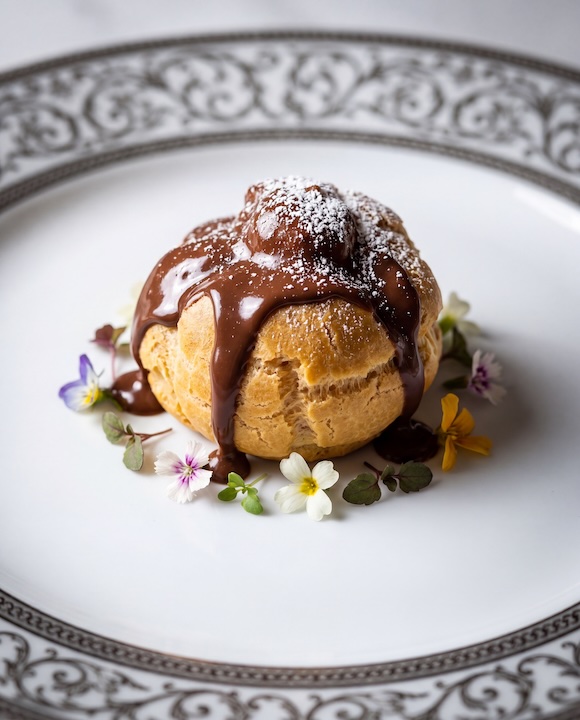
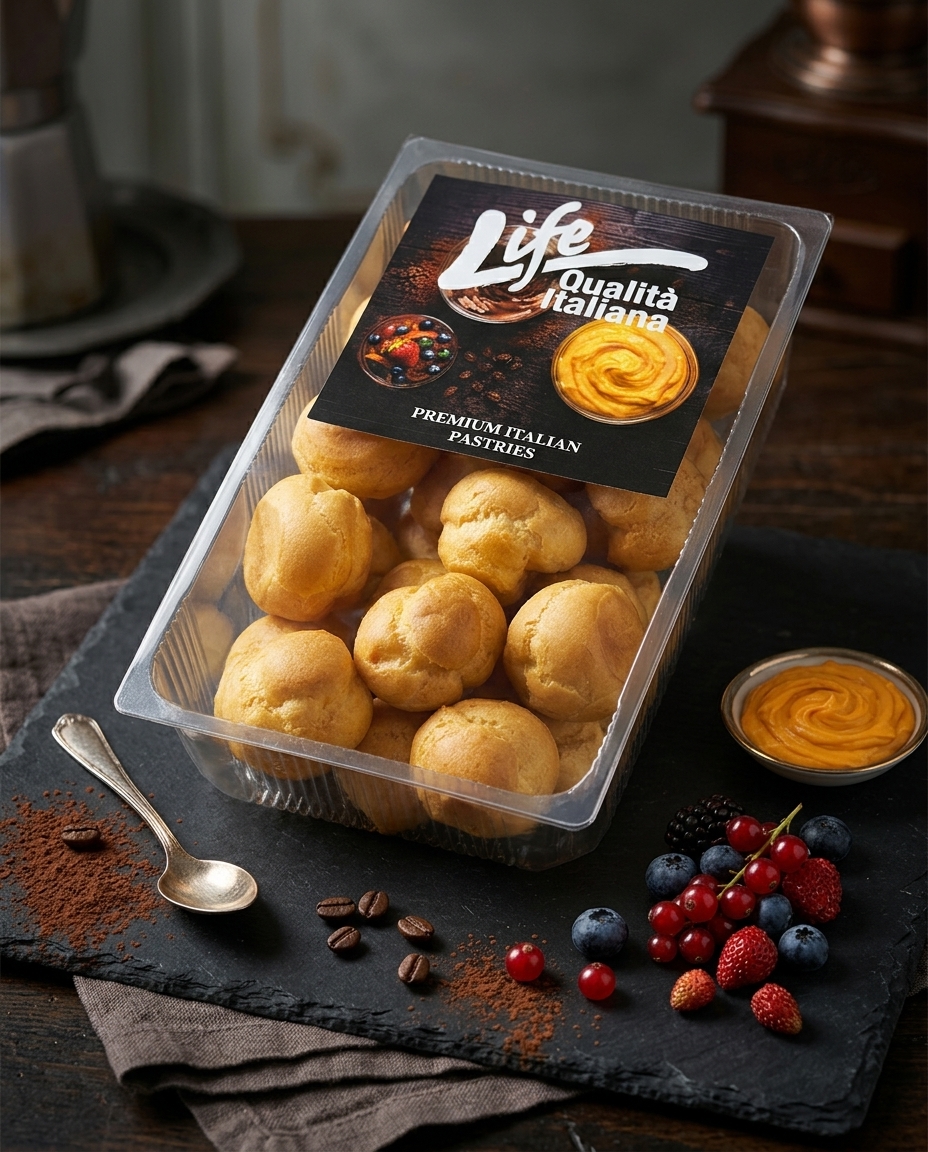
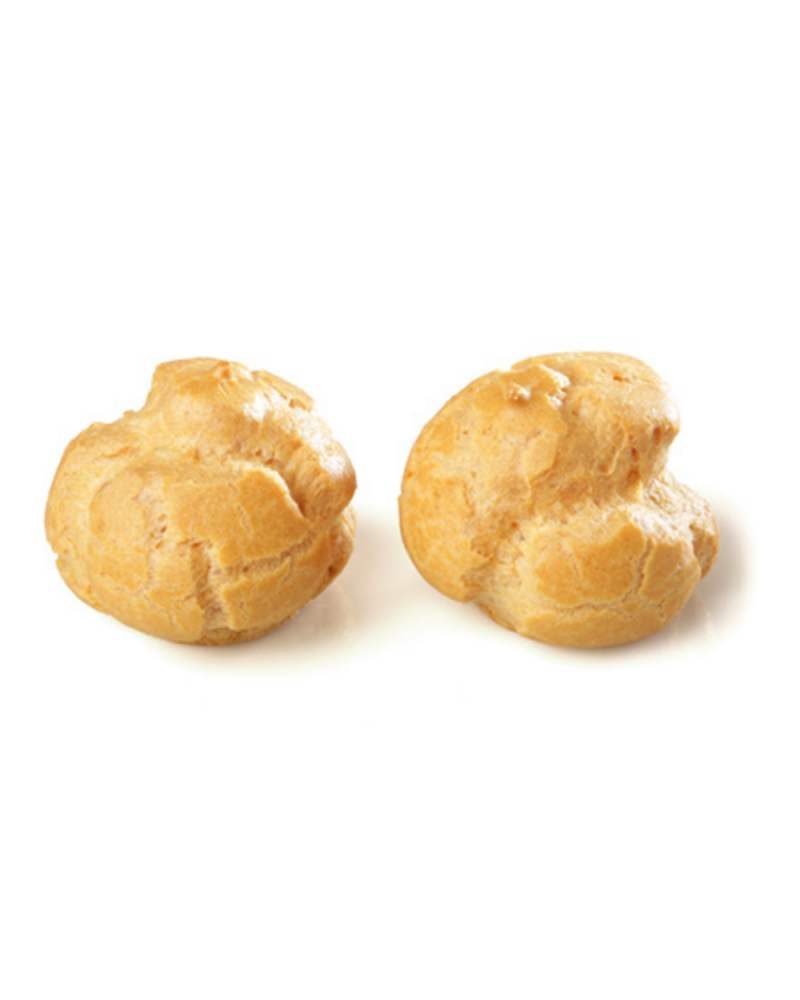
The history of the bignè boasts ancient origins and encompasses many fascinating legends and historical accounts.
According to one version, this dough made of water, flour, eggs, and hot-processed butter was created in 16th-century Florence by the chef Penterelli, who was in service to Catherine de’ Medici. When she married Henry II of France, she brought her passion for Italian cuisine to the French court, where she introduced a reimagined version of the pastry that became immensely popular.
Another account credits the invention of the bignè to the legendary French pastry chef Antonin Carême in the 19th century. Renowned for creating many of French pastry’s most celebrated masterpieces, Carême is said to have perfected the recipe specifically for King Charles X of France.
Regardless of its exact origins, this pastry has continued to be celebrated through the centuries across the globe, becoming a deeply loved culinary delicacy. Bignè can be prepared in a wide variety of shapes and flavors, featuring sweet or savory fillings, and are frequently served as desserts or gourmet snacks during holidays, weddings, and other special occasions. Their light, airy texture and delicate flavor make them the perfect option for anyone looking to satisfy a sweet craving with an elegant, light treat.
| Valori nutrizionali medi per | 100 g |
|---|---|
| Energia | 499.8 Kcal – 2089 KJ |
| Proteine | 14.6 |
| Carboidrati | 55 (6.6 sugars) |
| Grassi | 24.6 (11.6 saturated) |
| Fibre | 1.3 |
| Sale | 1.15 |


