
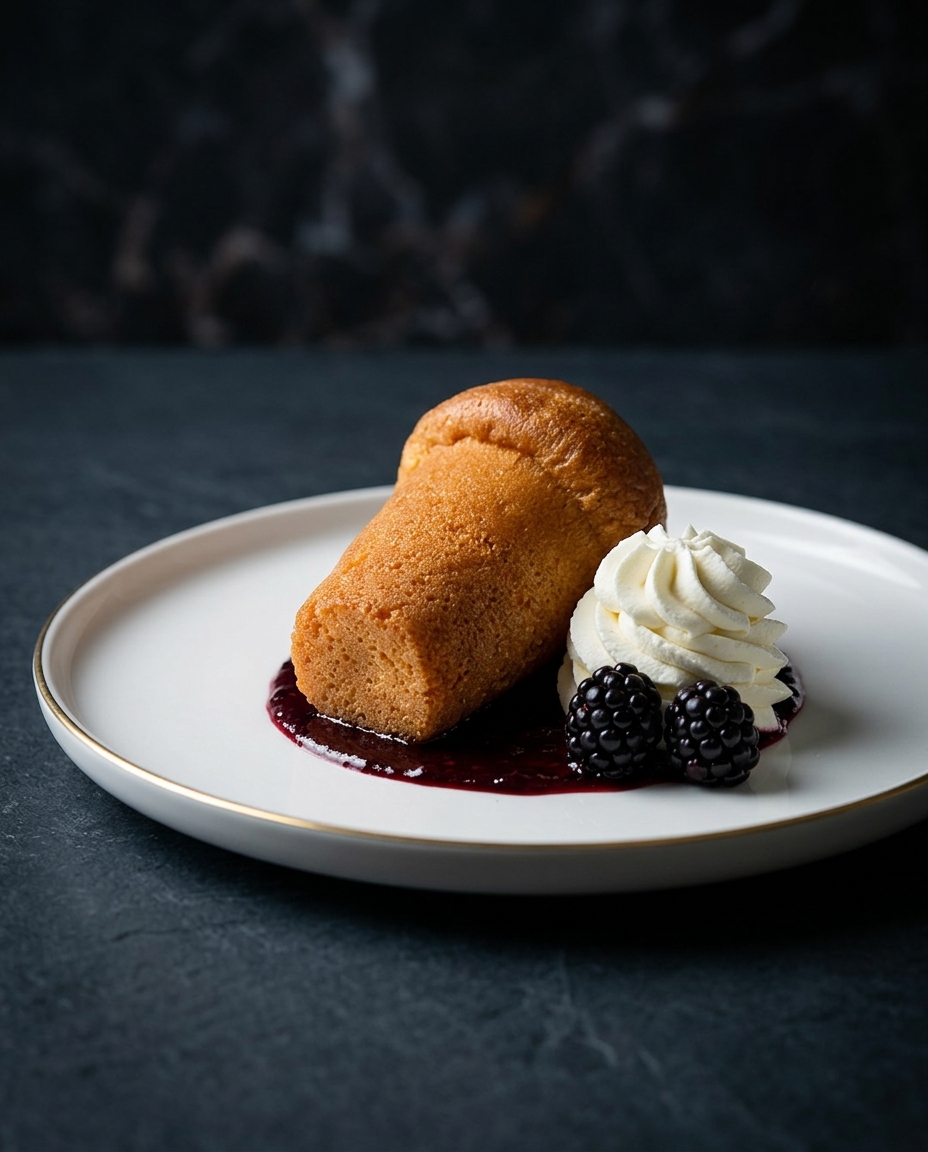
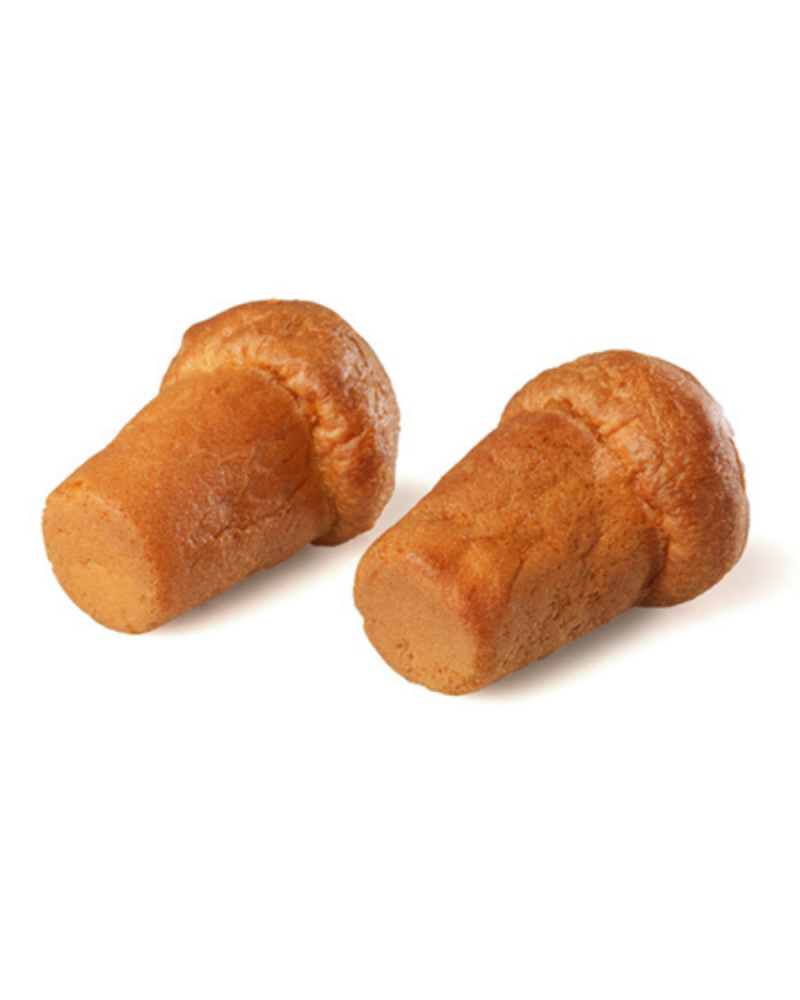
This pastry boasts ancient origins, with its history woven from many different legends. Some say it was created in the 18th century by a Polish pastry chef working in Paris, inspired by a traditional cake from his homeland called babka. Others believe the babà owes its name to King Stanisław I Leszczyński of Poland and Lorraine, affectionately called “Baba” by his grandchildren.
Originally crafted to sweeten the sorrows of a dethroned Polish king, the babà traveled across Europe. It found immense popularity in France, so much so that the legendary French chef Auguste Escoffier featured it on his menu at the Ritz Hotel in Paris—where his signature version can still be enjoyed today.
However, it was in Naples, Italy, that the babà truly found its forever home. Introduced by the monsù—the elite French master chefs who served the Neapolitan aristocracy—it became an instant sensation. Since the late 1700s, Naples has embraced this dessert not just as a delicacy, but as a beloved member of the family.
| Valori nutrizionali medi per | 100 g |
|---|---|
| Energia | 462 kcal – 1934 KJ |
| Proteine | 14.9 |
| Carboidrati | 48.36 (5.47 sugars) |
| Grassi | 22.76 (9.61 saturated) |
| Fibre | 2.1 |
| Sale | 0.66 |


